
Why Are Diesel Repairs Different from Gas Engine Repairs?
Learn why diesel repairs require specialized knowledge, advanced diagnostics, and unique maintenance compared to gas engines. Discover what North Carolina diesel owners should know.
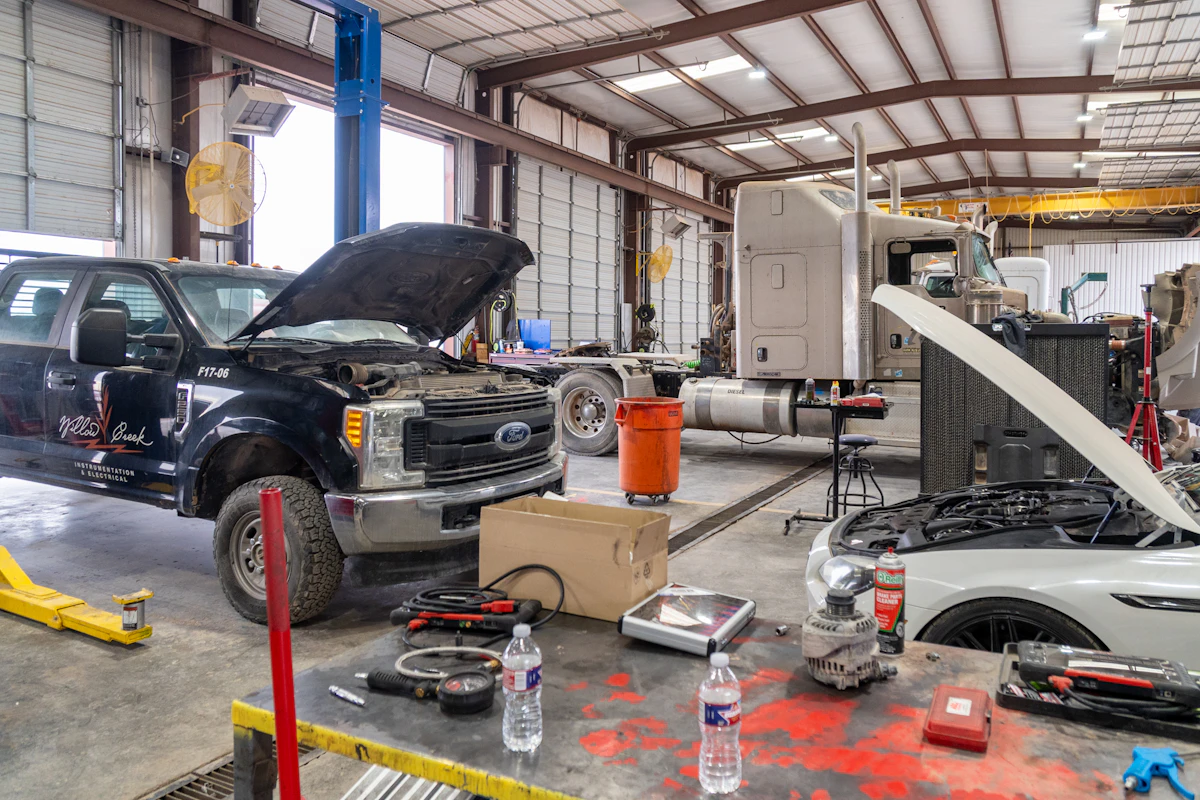
You might think that when your vehicle needs fixing, you can roll into any shop. Or that every mechanic can work on every engine. And while we mechanics are very skilled, it’s an important distinction to make that gasoline engine repairs and diesel engine repairs are very different. While both engines rely on internal combustion to generate power, they differ significantly in how they operate, the components they use, and the expertise required to diagnose and repair them. These differences are why diesel engines demand specialized tools, training, and maintenance procedures.
So whether you drive a heavy-duty pickup, commercial truck, or work vehicle across North Carolina, understanding what sets diesel engines apart can help you make informed maintenance decisions and avoid costly repairs.
Diesel and Gas Engines Work Differently
The biggest difference starts with how each engine creates combustion.
It’s easy to assume that both gas and diesel engines fire up in the same way. But the reality is, they don’t. Gas engines rely on spark plugs to ignite an air-fuel mixture. Whereas diesel engines compress air until it becomes extremely hot, then inject diesel fuel directly into the combustion chamber. The heat generated by compression ignites the fuel without the need for spark plugs. This higher compression ratio allows diesel engines to produce significantly more torque while improving fuel efficiency, especially under heavy loads.
Because of this unique combustion process, diesel engines use heavier internal components designed to withstand much greater pressures. That means repairing a diesel engine often involves different procedures, specialized parts, and advanced diagnostic equipment.
Heavier Components Mean Different Repairs
Not that we don’t love a solid gas engine, but diesel engines are built for durability. But that durability comes at the cost of added complexity.
Compared to gasoline engines, diesel engines typically feature:
- High-pressure fuel injectors
- Glow plugs
- Reinforced pistons and connecting rods
- Stronger crankshafts
- Turbochargers are used in many applications
Since these components operate under extreme pressure and heat, precision is critical during repairs. Even replacing a fuel injector requires careful calibration to ensure proper engine performance.
Unlike many gas engine repairs that can involve relatively straightforward component replacement, diesel engine repair often requires detailed testing and programming before new parts are installed.
Fuel Systems Are Much More Complex
One of the biggest differences between diesel and gas engine repairs involves the fuel system.
Modern diesel fuel systems operate at extremely high pressures, often exceeding 30,000 PSI. Their precision allows engines to deliver impressive fuel economy and power, but it also means even tiny contaminants can cause major problems.
Common diesel fuel system repairs include:
- Fuel injector replacement
- High-pressure fuel pump repair
- Fuel rail diagnostics
- Water contamination removal
- Fuel filter service
Gasoline engines generally operate with much lower fuel pressures, making their systems less sensitive to contamination and wear.
Turbochargers Add Another Layer of Maintenance
Most modern diesel trucks rely on turbochargers to improve power and efficiency.
Turbochargers force additional air into the combustion chamber, increasing combustion efficiency while allowing diesel engines to generate tremendous torque.
However, turbochargers introduce additional components that require maintenance, including:
- Turbo bearings
- Wastegates
- Variable geometry mechanisms
- Intercoolers
- Charge air piping
When a turbocharger begins to fail, symptoms may include:
- Loss of power
- Excessive exhaust smoke
- Whining noises
- Poor fuel economy
Repairing these systems requires specialized diagnostic procedures that differ significantly from those for gasoline engines.
Diesel Emissions Systems Require Specialized Knowledge
One thing your gas vehicle doesn’t have is sophisticated emissions equipment designed to reduce harmful exhaust emissions.
These systems often include:
- Diesel Particulate Filter (DPF)
- Selective Catalytic Reduction (SCR)
- Diesel Exhaust Fluid (DEF)
- Exhaust Gas Recirculation (EGR) system
- Diesel Oxidation Catalyst (DOC)
Each component works together to reduce emissions while maintaining engine performance. The DPF captures soot, the SCR system uses DEF to convert harmful nitrogen oxides into harmless gases, and the EGR system lowers combustion temperatures to reduce emissions.
Unlike gasoline vehicles, diesel engines often require regeneration procedures, emissions diagnostics, and sensor calibrations that only trained diesel technicians can perform properly.
Diagnostic Equipment Is More Advanced
Modern diesel trucks are essentially rolling computers.
Electronic control modules monitor nearly every aspect of engine operation, including:
- Fuel injection timing
- Turbocharger performance
- Emissions systems
- Exhaust temperatures
- Fuel pressure
- Airflow
When something goes wrong, diagnosing the issue often requires professional scan tools that can communicate with the engine's control modules.
Simply replacing parts based on symptoms rarely solves modern diesel problems. Instead, technicians analyze sensor data, fault codes, and live engine readings to identify the root cause before making repairs.
Preventive Maintenance Is Even More Important
Diesel engines are known for their longevity, but only when properly maintained.
Routine preventive maintenance plays a much larger role than many drivers realize.
Essential diesel maintenance includes:
- Oil changes
- Fuel filter replacement
- Air filter inspection
- Coolant system maintenance
- DEF system inspections
- Transmission and differential fluid service
Skipping maintenance intervals can lead to expensive failures, especially within high-pressure fuel systems or emissions components. Regular inspections help identify worn parts before they cause larger mechanical issues.
Diesel Repairs Often Require Specialized Technicians
Because diesel engines are engineered differently, repairing them requires technicians with specialized training.
Experienced diesel mechanics understand:
- High-compression engine operation
- Fuel injection calibration
- Turbocharger diagnostics
- Commercial truck systems
- Emissions regulations
- Heavy-duty drivetrain components
This expertise allows technicians to accurately diagnose problems that general automotive repair shops may overlook.
Why Diesel Repairs Can Cost More
Many vehicle owners notice that diesel repair costs are often higher than those for gasoline engines.
Several factors contribute to this:
- More expensive heavy-duty components
- Advanced diagnostic equipment
- Specialized technician training
- High-pressure fuel system complexity
- Emissions system repairs
- Longer labor times
While repairs may cost more upfront, diesel engines often provide significantly longer service life when properly maintained, helping offset ownership costs over time.
North Carolina Driving Conditions Matter
Drivers across North Carolina often experience a wide variety of operating conditions, from stop-and-go city traffic to long highway hauls and demanding towing applications.
These varying conditions place different stresses on diesel engines, particularly emissions systems that rely on reaching proper operating temperatures. Trucks used for short trips may experience more frequent DPF regeneration issues, while towing heavy loads increases strain on turbochargers, cooling systems, and fuel components.
Following a consistent maintenance schedule helps keep your diesel engine running efficiently, wherever your travels take you.
Choose the Right Shop for Diesel Repairs
Not every repair shop is equipped to properly service diesel engines.
When choosing a repair facility, look for technicians experienced with diesel diagnostics, specialized repair equipment, and heavy-duty engine systems. Proper diagnosis saves both time and money while helping prevent repeat failures.
If your diesel truck needs expert attention, NC Diesel Performance proudly serves drivers throughout North Carolina with professional diagnostics, maintenance, and repair services tailored to diesel-powered vehicles. Contact our team today to keep your truck running at its best.


